
Silage covers for farms are critical to preserving feed quality and enhancing overall operational efficiency. Whether you’re storing corn silage, haylage, or other forage, using high-quality silage covers ensures that your feed remains protected from oxygen, moisture, pests, and UV rays. Choosing the right cover can make the difference between top-quality silage and spoiled feed, potentially leading to significant financial loss.
In this article, we’ll guide you through the essential factors to consider when choosing silage covers for farms and explain how the right choice can boost your farm’s productivity and profitability in Australia.
1. Understand the Importance of Silage Covers for Farms
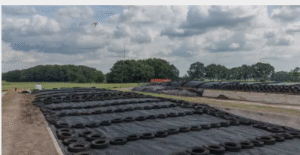 Silage fermentation is an anaerobic process, meaning it requires a low-oxygen environment to preserve nutrients and prevent spoilage. Silage covers for farms serve as the first line of defence, sealing in quality and protecting against the elements. Poor-quality covers or improper sealing allow oxygen and moisture to infiltrate the silage pile, leading to mould growth, nutrient loss, and a reduction in feed value.
By investing in premium silage covers, farms can ensure better feed stability, reduce waste, and improve livestock health—all of which contribute to long-term efficiency and profitability.
2. Prioritise Oxygen Barrier Technology
One of the most critical qualities to look for in silage covers for farms is oxygen impermeability. Standard plastic sheets often allow some oxygen to seep through, especially over time. However, advanced oxygen barrier films—often with multilayer construction—drastically reduce oxygen transmission rates.
Look for silage covers with EVOH (ethylene vinyl alcohol) layers or other barrier technologies. These provide a tighter seal, keeping the top layer of silage fresher and minimising aerobic spoilage. The result is a more uniform fermentation process and higher-quality feed.
3. Check for UV Resistance
Silage covers are exposed to sun, wind, and rain for months at a time. Therefore, UV resistance is an essential quality. Covers that degrade under sunlight will quickly lose their protective properties, leading to cracks and tears that expose silage to the elements.
When choosing silage covers for farms, make sure they’re designed for long-term outdoor use with built-in UV stabilisers. It ensures the cover maintains its structural integrity for the entire storage period, even under harsh weather conditions.
4. Evaluate Thickness and Durability
Thickness often correlates with durability. While thinner films (e.g., 100 to 150 microns) may be lightweight and easy to handle, they are more prone to tearing during installation or under pressure from tires or gravel bags. On the other hand, thicker covers (200 microns and above) provide better resistance to punctures and stretching.
When choosing silage covers for farms, balance thickness with handling needs. For exposed bunker silos or areas with rough surfaces, a thicker and more durable film is a safer choice.
5. Opt for Multi-Layered Construction
Modern silage covers often feature a multi-layered construction—a combination of layers designed to serve different functions, such as sealing, UV protection, and durability. These layered films outperform single-layer plastics in both oxygen control and physical strength.
For optimal results, select silage covers that feature a strong top layer and an oxygen-barrier inner layer. This dual functionality ensures long-lasting performance and superior feed protection.
6. Consider the Ease of Application
Time and labour are valuable resources on any farm. Silage covers that are heavy, difficult to unroll, or awkward to secure can slow down operations and lead to incomplete sealing. Choose silage covers that are lightweight yet durable, come in manageable rolls, and are easy to spread across bunkers or pits.
Some brands offer pre-folded or rolled covers for easier application. Others come with surface textures that prevent slippage when walking or placing weights. These features help streamline the coverage process and reduce the workforce.
7. Account for Environmental Impact
Sustainability is an increasing concern in agriculture. Many manufacturers now offer eco-friendly silage covers made from recyclable materials or with reduced plastic content, without sacrificing performance. If sustainability is a priority for your farm, look for options that support environmental goals while still providing effective feed protection.
Conclusion
Investing in high-quality silage covers for farms is essential for protecting valuable feed and improving operational efficiency. By selecting covers with oxygen barrier technology, UV resistance, adequate thickness, and user-friendly features, you can ensure better feed quality, reduced waste, and healthier livestock.
As a farmer in Australia, every decision affects your bottom line. Don’t underestimate the power of superior silage protection—your future harvests depend on it.